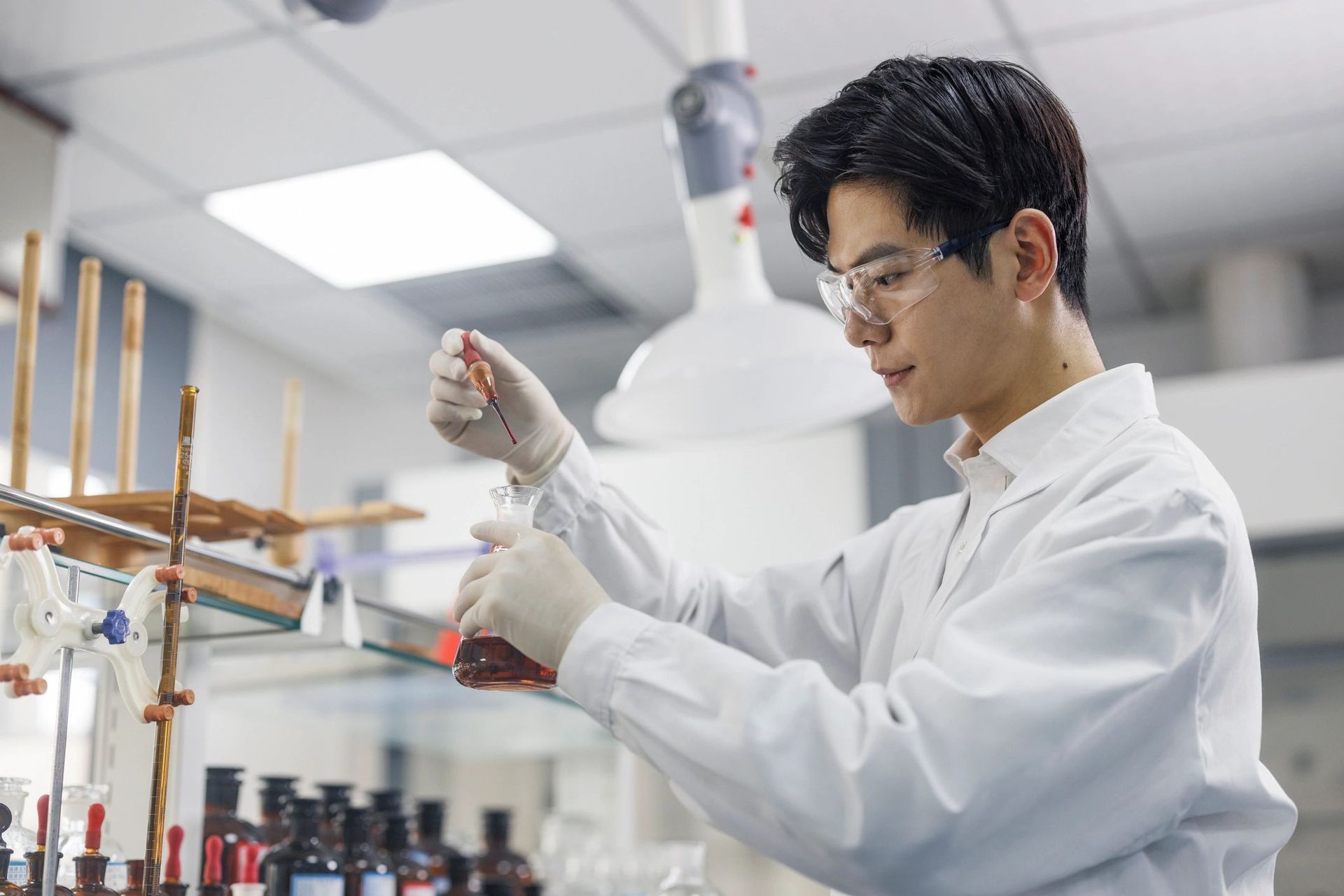
Therapeutic Phages
Building phage candidates for targeted activity against resistant bacterial strains of high clinical concern.


Research
PALDARA's research program is focused on bacteriophage therapeutics and biomaterial-enabled delivery systems designed to address multidrug-resistant infections with precision, adaptability, and translational potential.
Research Focus
Our platform research integrates phage biology, biomaterials engineering, and infection-focused translational development to create targeted therapeutic solutions for urgent clinical needs.
Identification and characterization of bacteriophages with activity against clinically significant multidrug-resistant pathogens.
Development of hydrogel and biomaterial systems that improve localized delivery, stability, and therapeutic performance.
Assessment of antibacterial efficacy, formulation behavior, and safety across relevant laboratory and translational models.
Research programs designed to reduce dependence on conventional antibiotics and support more precise antimicrobial interventions.
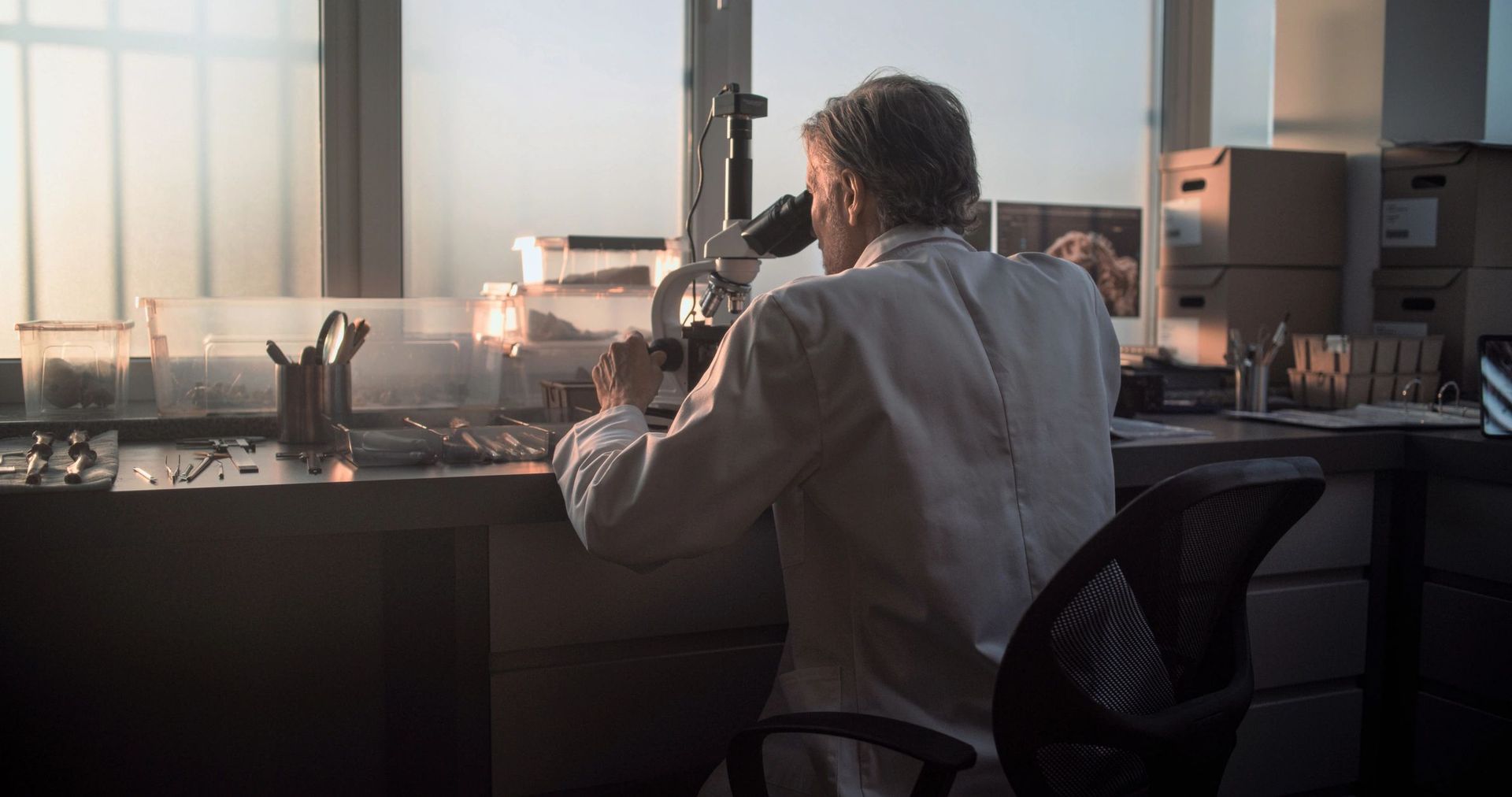
Platform Approach
PALDARA is building a research framework that pairs the specificity of bacteriophages with advanced biomaterial delivery to support targeted intervention at the site of infection.
Phage-based approaches are selected for pathogen specificity, supporting focused antibacterial activity.
Hydrogel-enabled formulations are being developed to improve retention, control release, and enhance therapeutic utility.
How It Works
Phages have been used against drug-resistant bacteria for decades, but refrigeration needs kept them in advanced labs. PALDARA's hydrogel changes how they're stored and delivered.
A phage cocktail matched to the target bacteria is blended into a gel-like hydrogel matrix.
The matrix is freeze-dried into a crystalline foam that protects phages at room temperature.
Clinicians rehydrate it for injection, ingestion, or topical application at the point of care.
“It's time to transition back to the way nature is designed to control these bacterial organisms. By harnessing and using modern techniques, we can make something we can use to save lives.”
William Colton
Founder & CEO, PALDARA
Via The Journal RecordResearch Areas
Our research activities span discovery, formulation, and translational investigation to support next-generation antibacterial therapeutics.
Building phage candidates for targeted activity against resistant bacterial strains of high clinical concern.
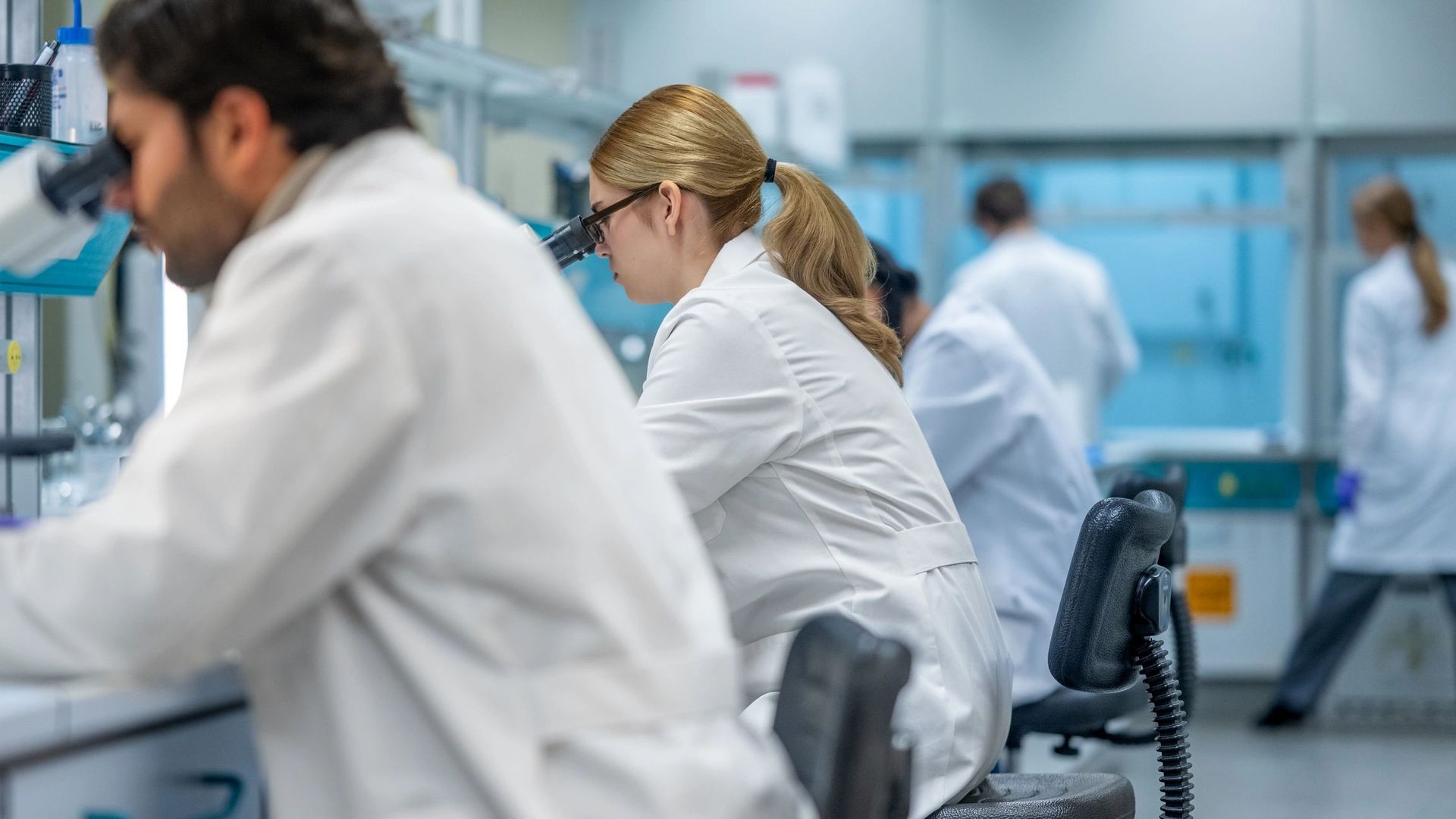
Engineering biomaterial delivery systems to improve administration, localization, and persistence of therapy.
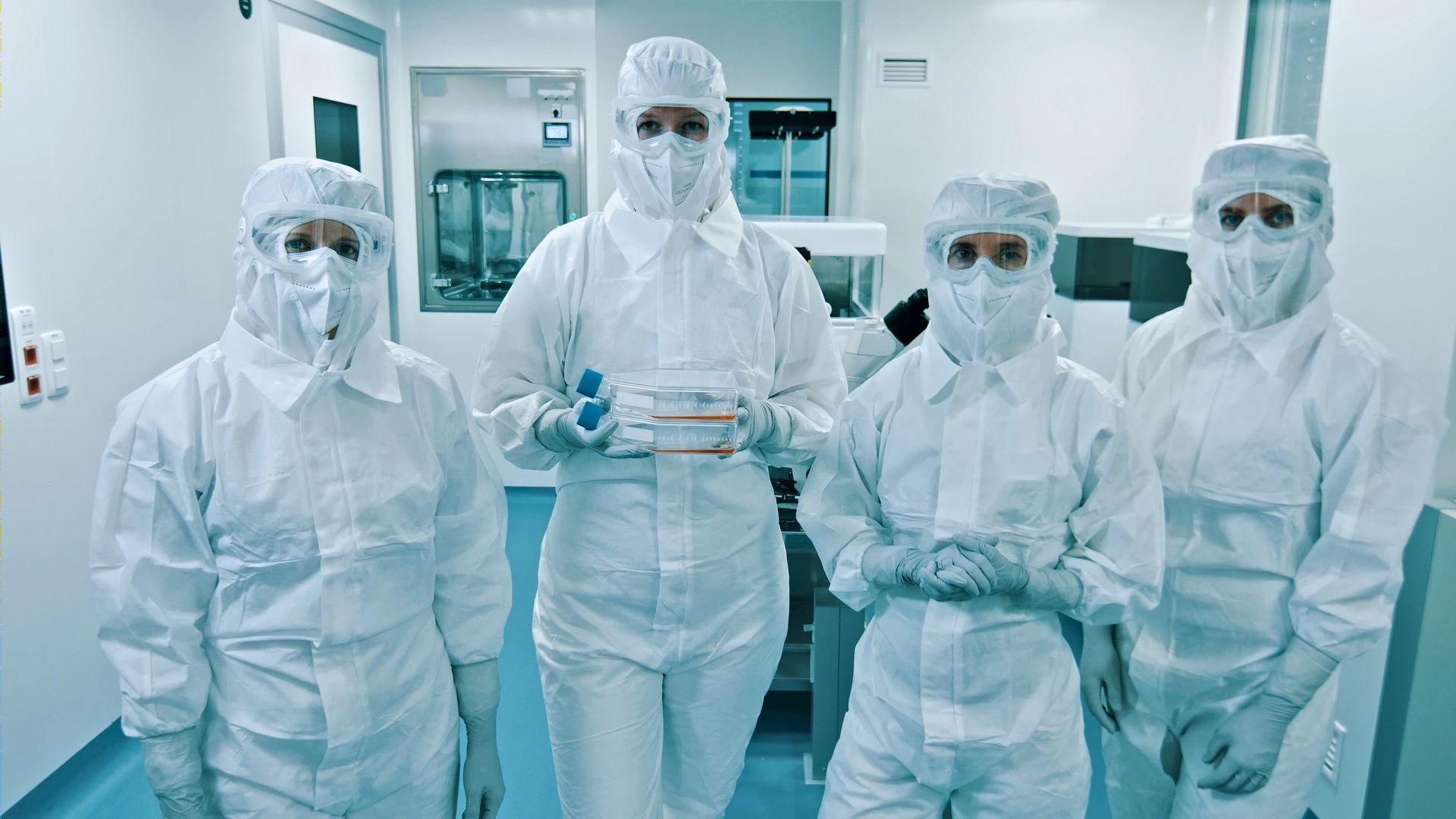
Evaluating performance in research settings that reflect the complexity of difficult-to-treat infections.
Connect with PALDARA to discuss scientific collaboration, platform development, or research inquiries related to antimicrobial resistance and phage-enabled therapeutics.